GFRP Rebar is Ideal For
From bridges to hospitals, GFRP Rebar outperforms steel wherever corrosion, weight, or electromagnetic interference is a concern.
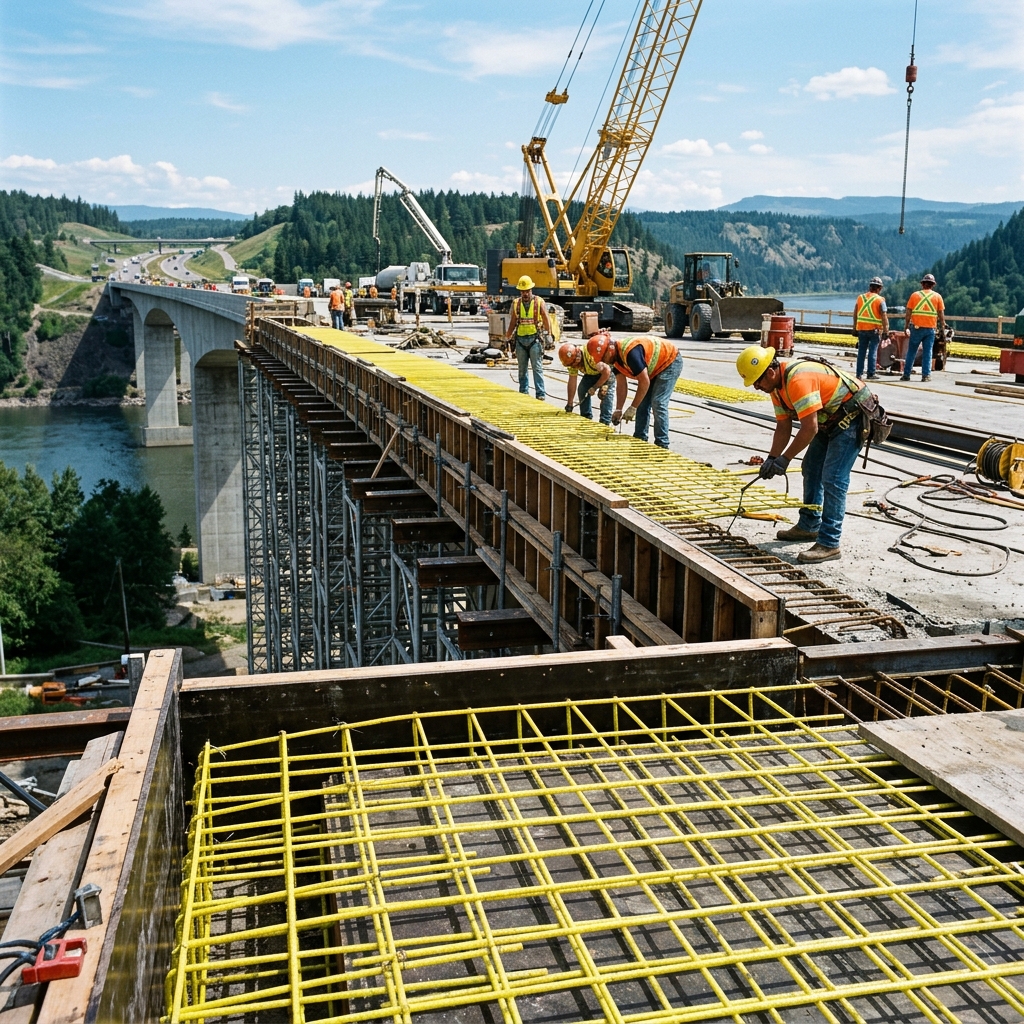
Bridges & Flyovers
Coastal and inland bridges suffer severe corrosion from chlorides. GFRP Rebar eliminates rebar corrosion-induced concrete spalling, extending bridge life by 50+ years.
- Zero corrosion in saltwater
- Reduces dead load
- Lower lifetime maintenance
- Higher tensile-to-weight ratio
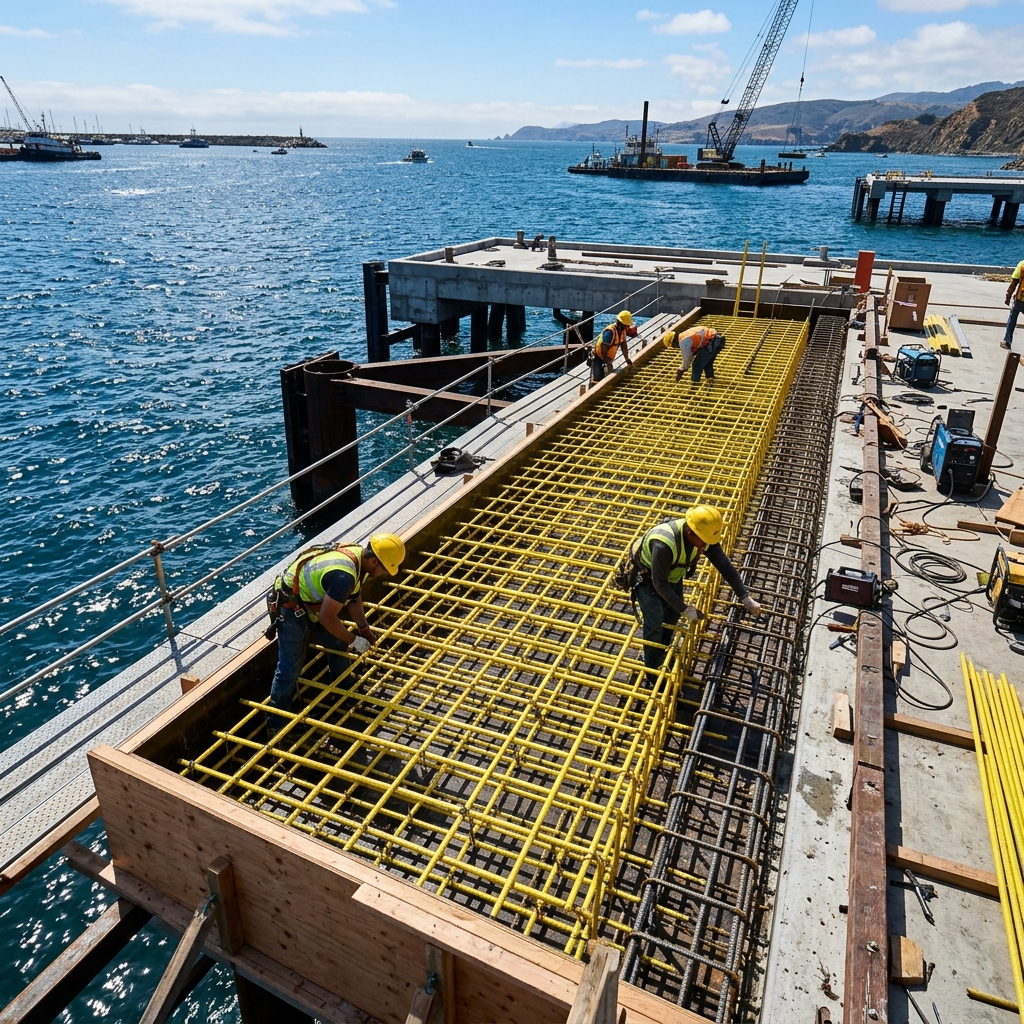
Marine & Port Structures
Wharves, jetties, seawalls, and harbor structures are exposed to extreme chloride environments. GFRP Rebar is the ideal solution for permanent, maintenance-free marine structures.
- Seawater resistant
- No anti-corrosion coating needed
- Lightweight — easy offshore handling
- Compatible with cathodic protection systems
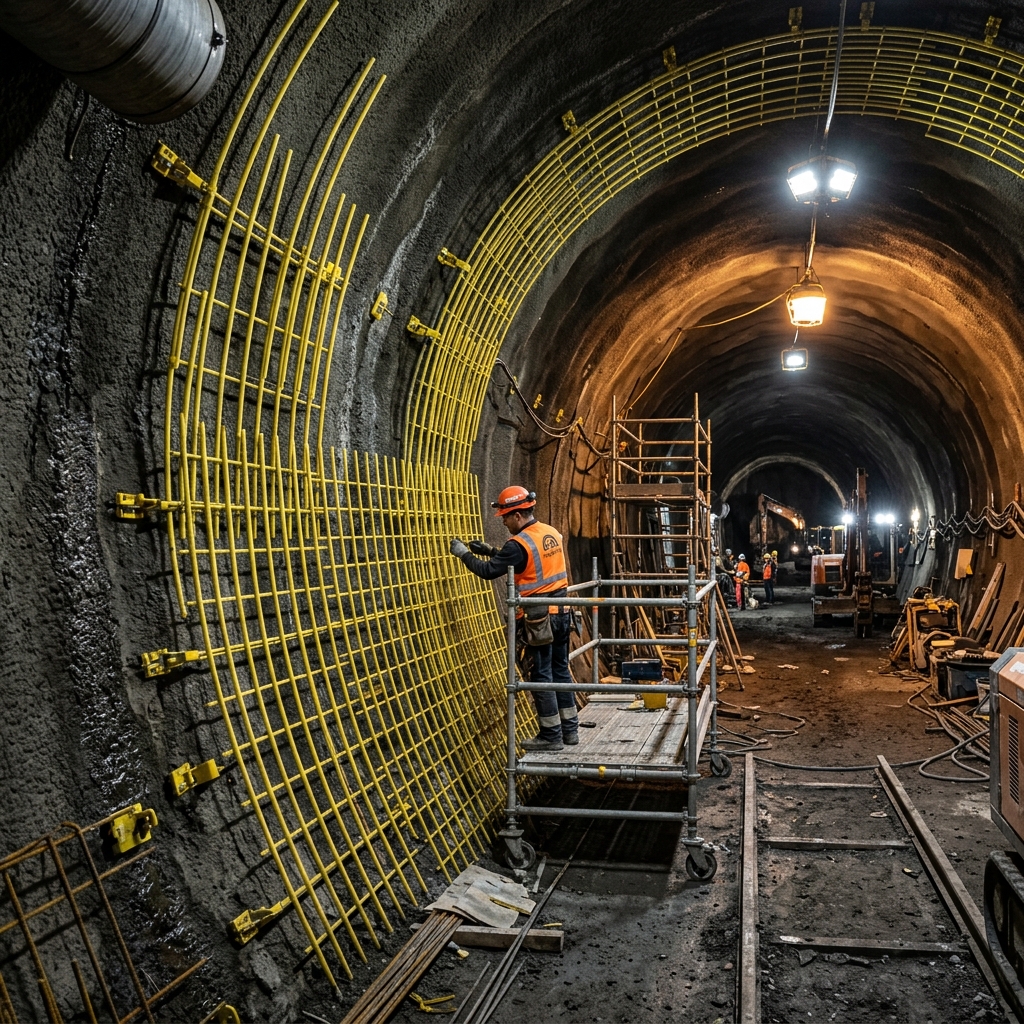
Tunnels & Underground
Underground structures face groundwater, soil chemicals, and high humidity. GFRP Rebar provides long-term durability without the corrosion problems of steel.
- Immune to groundwater attack
- Chemical resistance
- Electrically non-conductive
- Reduces monitoring costs
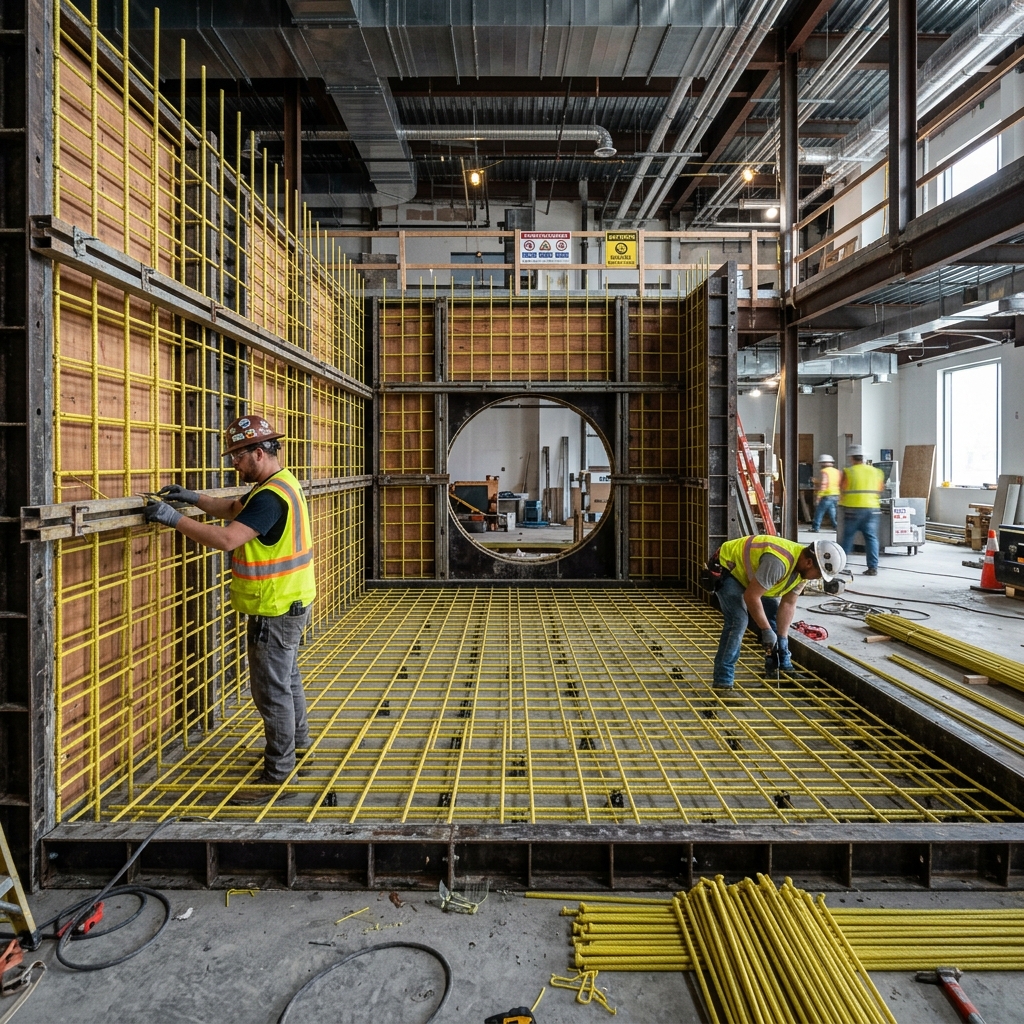
Hospitals & MRI Rooms
MRI machines require a completely non-magnetic environment. GFRP Rebar is electromagnetically transparent — making it the only safe choice for MRI suites.
- Non-magnetic (MRI safe)
- Electrically non-conductive
- RF transparent
- Meets NHS/hospital guidelines
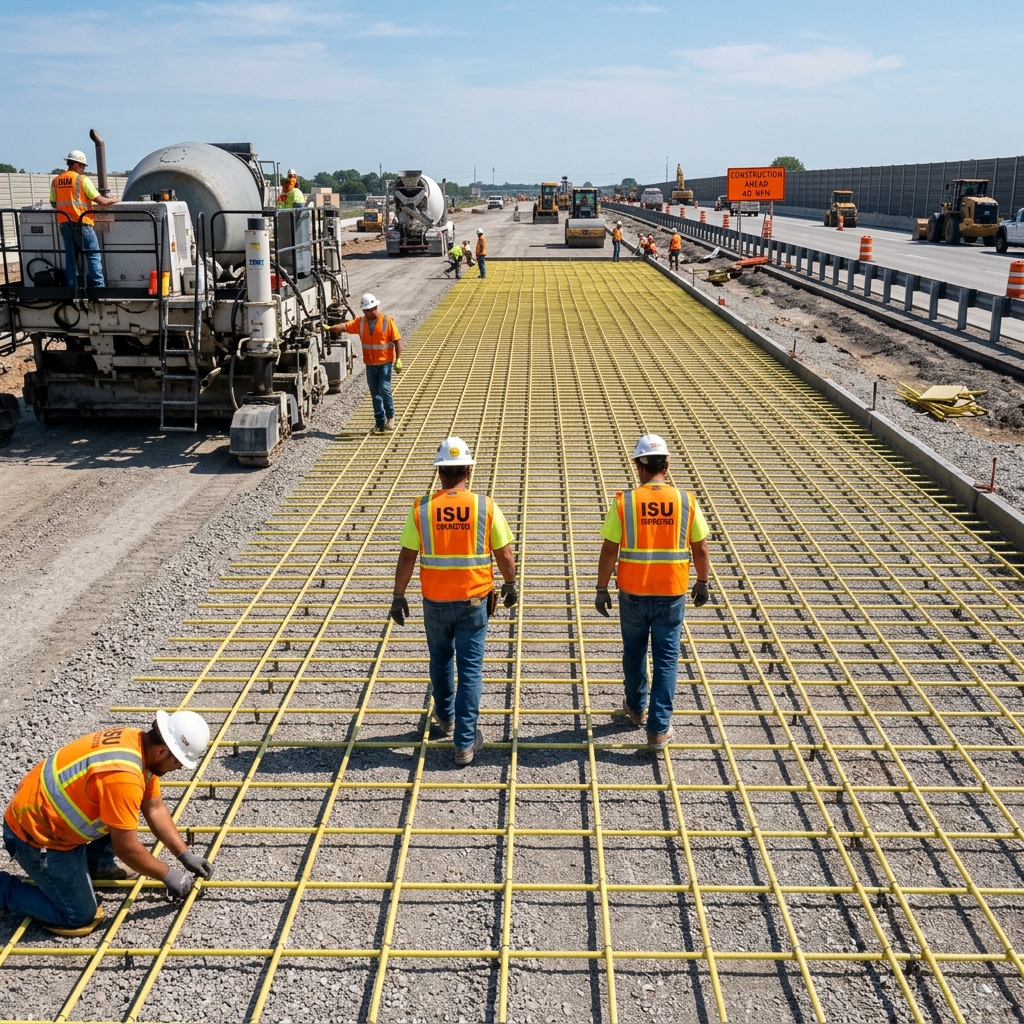
Highways & Road Pavements
Road decks in cold climates use de-icing salts that rapidly corrode steel. GFRP Rebar maintains full structural integrity even after decades of salt exposure.
- Salt & chloride resistant
- Reduces road maintenance cycles
- Lightweight — faster paving
- Extended pavement lifespan
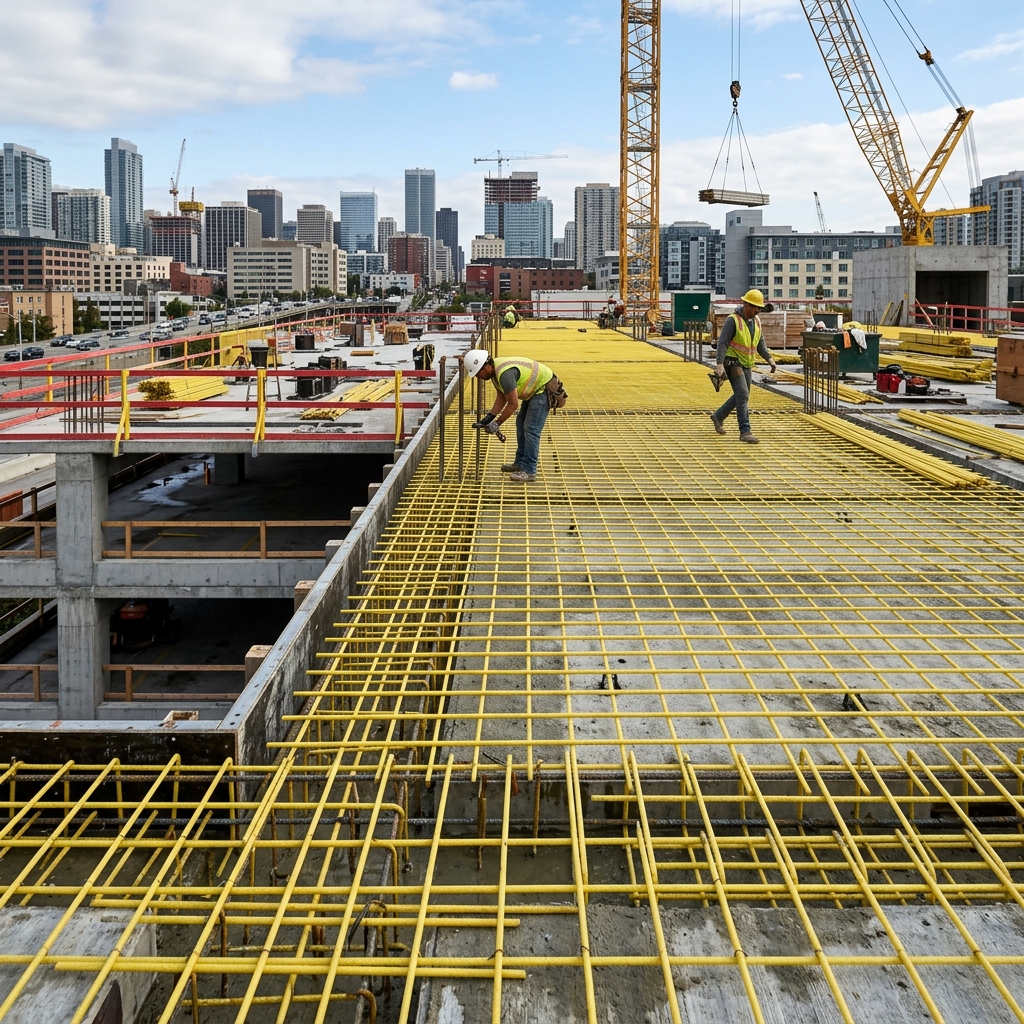
Parking Structures
Multi-storey car parks are exposed to de-icing salts from vehicle tyres. GFRP Rebar prevents the costly concrete spalling that plagues steel-reinforced parking decks.
- 100% corrosion proof
- Reduces ongoing repair costs
- Lighter structure — lower foundation cost
- Long-term durability
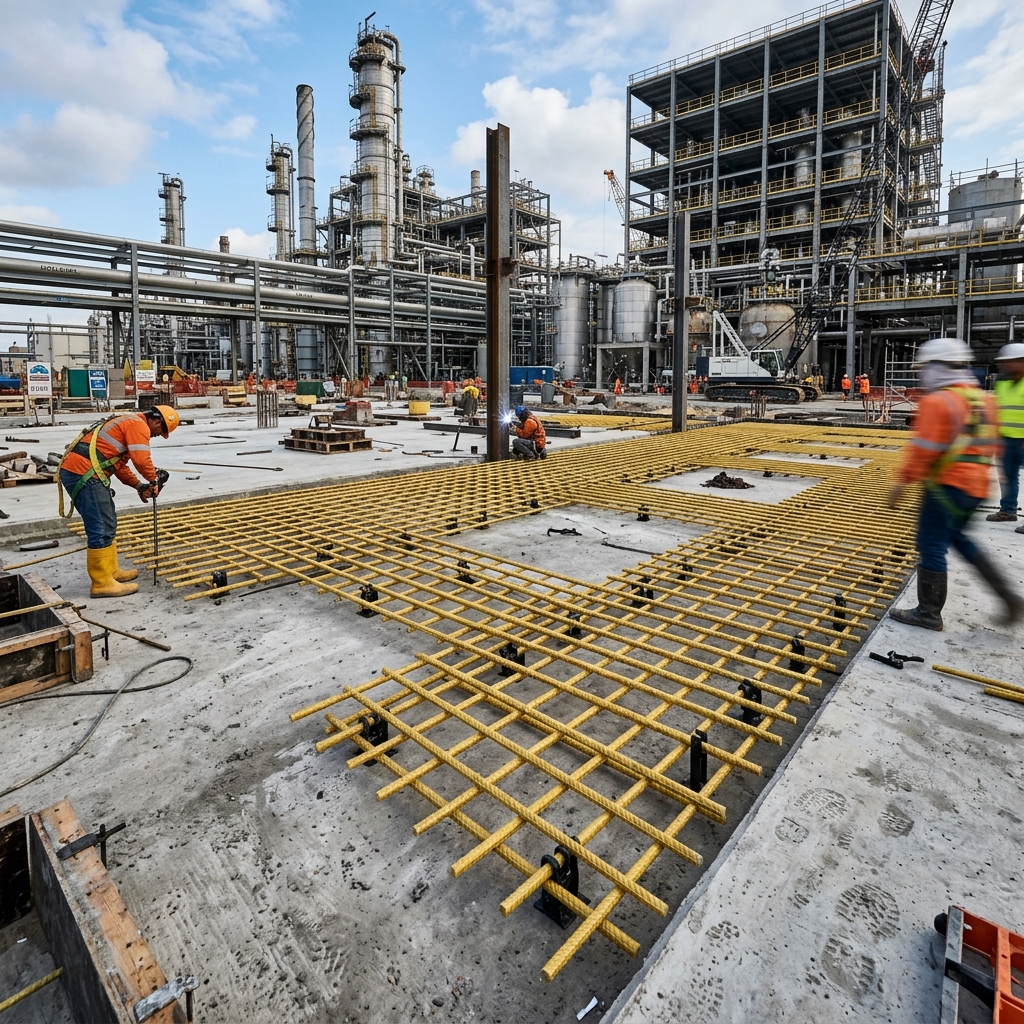
Chemical Plants & Factories
Acidic or alkaline chemicals rapidly corrode steel rebar. GFRP Rebar maintains structural integrity in chemical, petrochemical, and industrial environments.
- Chemical resistant
- Acid & alkali proof
- Non-reactive with industrial chemicals
- Reduced structural failures
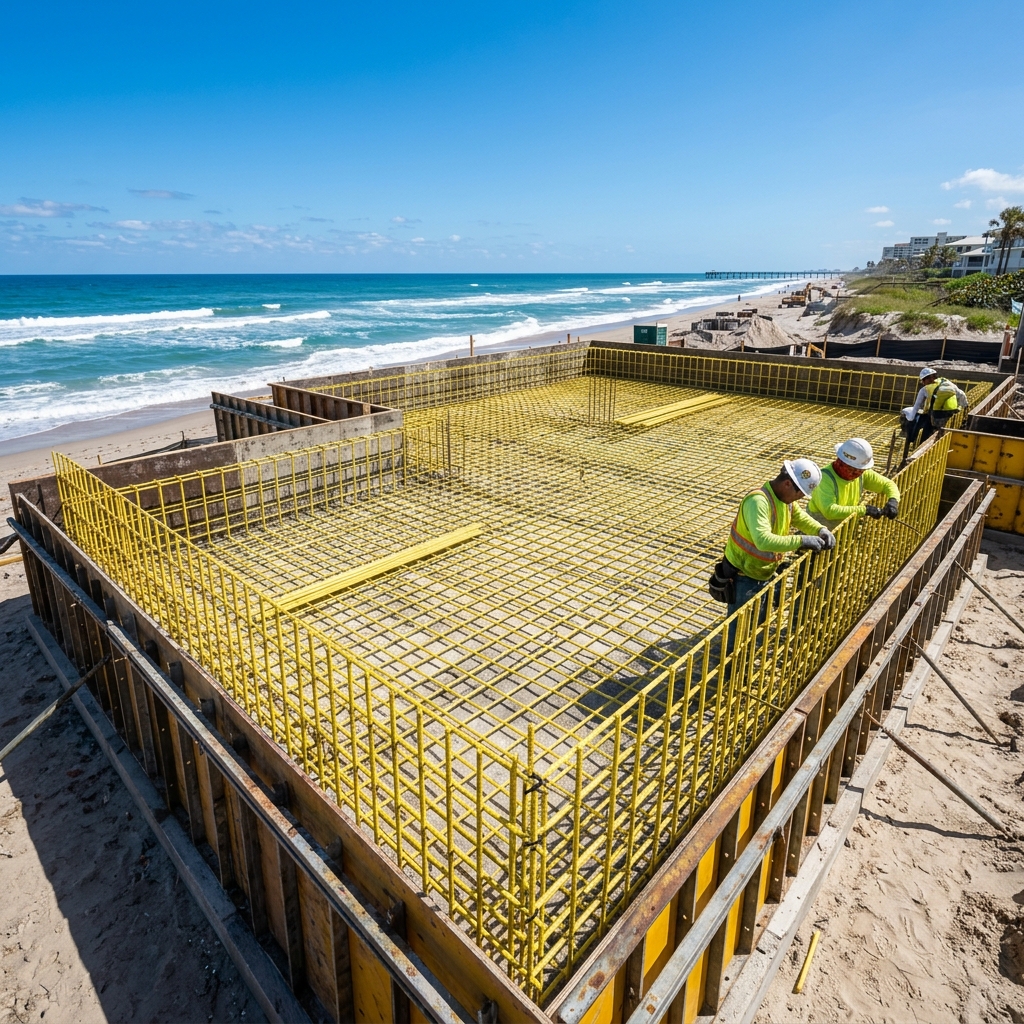
Coastal Buildings
Buildings within 5km of the sea face severe salt-laden air corrosion. GFRP eliminates the corrosion-induced cracking that shortens the life of coastal concrete structures.
- Sea air resistant
- No rust staining on facades
- Long building lifespan
- Reduced insurance claims